The Short Version
A smaller body burns less. A body in a deficit also burns less than its size predicts, an effect called adaptive thermogenesis. Add the fact that food intake drifts upward as vigilance fades, and a deficit that worked in week two can be gone by week six without anything feeling different.
Three Things Happen At Once
The target moves
Energy needs scale with body mass. Lose weight and the maintenance figure falls with it, so the intake that produced a deficit in January is closer to maintenance by March. Nothing has gone wrong; the sum has changed.
The body economises
Beyond the loss of mass, sustained restriction reduces energy expenditure a little further. Spontaneous movement falls, and people in a deficit fidget less, walk more slowly and take the stairs less often, mostly without noticing. This is the part that feels unfair.
Intake creeps
Portions grow, the untracked handful returns, weekends loosen. Studies comparing recorded intake with measured energy expenditure find substantial underestimation, and it is not dishonesty. It is what happens when careful becomes routine.
The Scale Is Lying To You For A Fortnight
Fat loss shows up on the scale slowly and is buried under water. Glycogen carries water with it, sodium shifts move several pounds in a day, and the pattern of a stubborn scale followed by a sudden drop is so common it has folk names.
- Weigh at the same time, in the same state, and use a seven-day rolling average.
- Judge nothing on fewer than three weeks of that average.
- Track one measurement that is not weight: a waist tape, or how a specific garment sits.
- Expect a two-week flat stretch inside any successful three-month run. It is normal.
What Actually Moves It
- Measure again for one week. Not forever. A single honest week usually finds the creep, and the fix is obvious once seen.
- Raise protein. It costs more energy to process, preserves muscle during a deficit, and does more for fullness per calorie than anything else on the plate.
- Add walking rather than intensity. Steps are the expenditure that does not provoke a compensating appetite the way hard training does.
- Lift something twice a week. Preserving muscle keeps the maintenance figure from falling faster than it must.
- Fix sleep before adding anything. Short sleep raises appetite signalling and lowers the odds of every point above, which the cortisol article goes into properly.
- Rearrange meals before shrinking them. Eating fibre and protein first costs nothing and blunts the afternoon that usually ends a good day.
Where A Supplement Honestly Sits
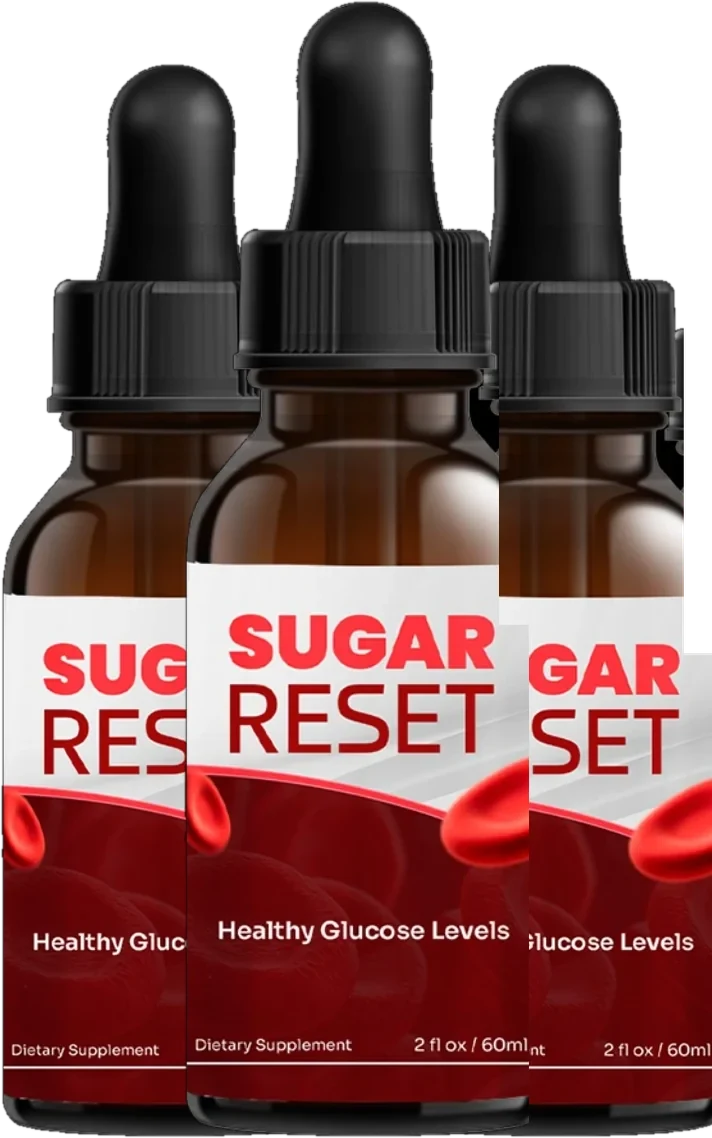
Not at the front. Sugar Reset is a glucose-support formula, and the seller does not present it as a weight-loss product; neither does this site. Nothing on the panel burns fat, blocks absorption or alters the arithmetic above.
The route by which people connect it to weight at all is indirect and worth stating precisely: Gymnema Leaf reduces the perceived sweetness of food for an hour or two, and Green Tea carries catechins and caffeine with a small measured effect on energy expenditure in trials that used far larger doses than a shared 200 mg blend can deliver. Both pages set out where the evidence stops, and the benefits page grades every claim on this site by confidence rather than volume.
A supplement cannot rescue a plateau it did not cause. If the deficit has closed, the deficit is the problem, and a dropper is not an answer to arithmetic.
When It Is Not A Plateau
Persistent, unexplained weight change in either direction, particularly with fatigue, thirst or frequent urination, is a reason to see a doctor rather than to buy anything. That sentence is not a legal formality on a page like this. It is the single most useful line in the article.
Questions On This Guide
What readers ask after reading this article.
How long does a normal plateau last?
Two to four weeks is common inside an otherwise successful run. Longer than six weeks with no movement in weight or measurements usually means the deficit has closed rather than that the body has stopped responding.
Should I eat less to break it?
Cutting further is the most common response and often the worst one, because it deepens the adaptive effects and the hunger. Measuring honestly for a week, raising protein and adding steps generally works better.
Do refeed days or diet breaks help?
Planned breaks at maintenance can help adherence and give some hormonal markers a rest. The evidence that they accelerate fat loss itself is much weaker than the enthusiasm suggests.
Is Sugar Reset a weight-loss supplement?
No. It is presented as glucose support, and this site does not describe it as a weight-loss product. Any connection to appetite runs through sweet taste and is short-lived.
Why did I gain three pounds overnight?
Almost certainly water and gut contents, driven by sodium, carbohydrate and hormonal cycling. Fat gain of three pounds in a day would require an implausible surplus.
Three More Guides
Ingredients Named Above
Support Healthy Blood Sugar The Simple Way
One dropper each morning, sixty days to decide, and a page for every ingredient so nothing is bought blind.
- Ten seconds a day, straight under the tongue
- Supports glucose already inside a healthy range
- Chromium carries its own declared amount
- Sixty days to send it back