Measurement
A cheap finger-prick meter turns a supplement claim into a number. What to buy, when to prick, what counts as a real change, and the four ways this test lies to you.
Read the guide →Nutrition
Broccoli, grape juice, beef and whole grains all carry chromium. What the daily adequate intake is, why food tables disagree, and when a supplement adds anything.
Read the guide →Habits
Eating vegetables and protein before the starch flattens the glucose rise after a meal. What the food-order research shows, how to apply it, and where its limits are.
Read the guide →Lifestyle
Beer raises glucose, spirits lower it, and the liver explains both. What alcohol does to a morning reading, and why the delay catches people out.
Read the guide →Lifestyle
Cortisol raises blood glucose on purpose. What that means for anyone tracking readings through a difficult month, how sleep debt compounds it, and what actually helps.
Read the guide →Buying
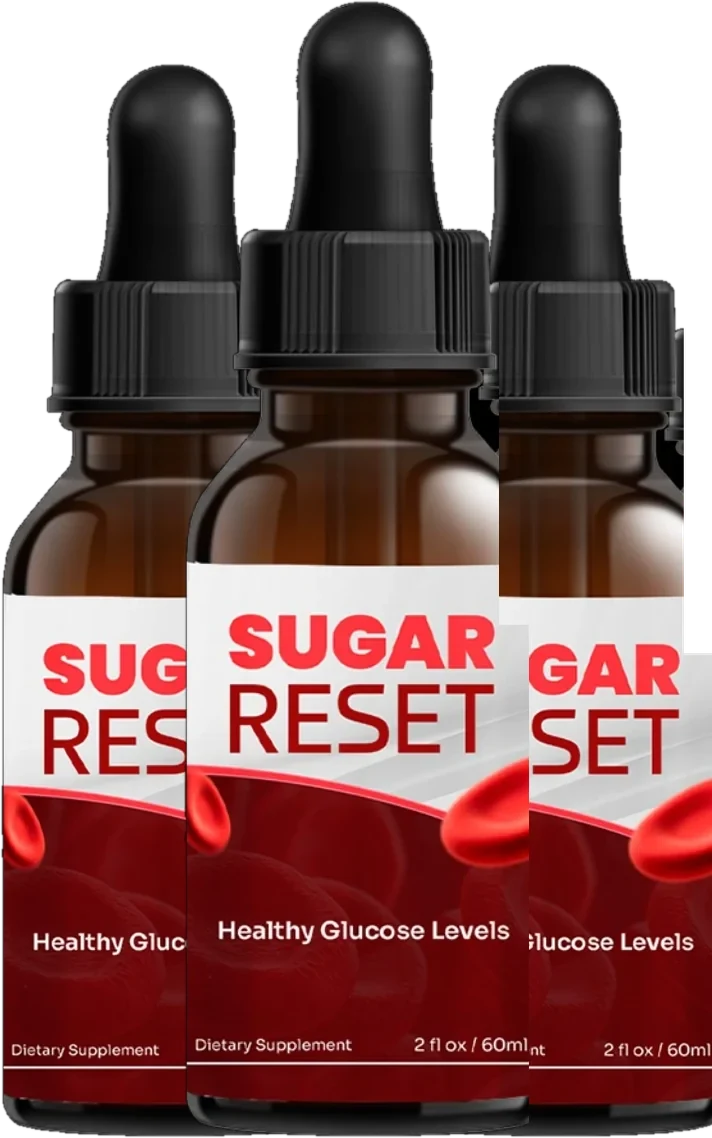
A liquid in an amber dropper bottle has a shorter working life than a tablet. How to read the date, store it properly, and judge the six-bottle package.
Read the guide →Quality
A COA is the closest thing a supplement buyer gets to proof. How to read one, which tests matter, and the four ways a certificate can be worthless.
Read the guide →Habits
A stall after a good first month is the expected result, not a failure. What adaptive thermogenesis is, why the scale lies for a fortnight, and where a supplement fits.
Read the guide →Safety
Pharmacists check interactions for free and nobody asks them. The nine questions worth taking to the counter, what to bring, and which answers should stop an order.
Read the guide →